Little Luminaries (4-7 year olds)
Play-based

Play is the foundation of how children naturally learn and connect with others. In our groups, we use games, structured activities, and child-led interactions to teach social skills in a way that feels fun, motivating, and meaningful. A play-based approach increases engagement, reduces pressure, and allows children to practice skills in real-life situations, making it easier for them to carry these skills over into everyday environments.
Foundational Skills
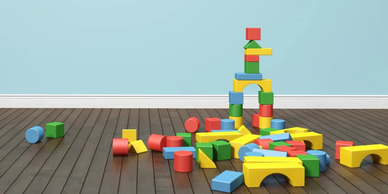
Foundational social skills are the building blocks for all future interactions. These include attending to others, following directions, participating in group activities, and developing awareness of peers. Strengthening these core skills helps children feel more confident and prepared to engage successfully in social settings at home, school, and in the community.
Greetings and Social Initiation

Learning how to start interactions is a critical first step in building friendships. We teach children how to appropriately initiate greetings, gain attention, and start conversations with peers. Many children need explicit instruction and practice in this area, and developing these skills helps open the door to meaningful social connections.
Turn-taking
Cooperative Play

Turn-taking is essential for successful interactions in both play and conversation. Children practice waiting, sharing control of activities, and understanding the back-and-forth nature of social exchanges. These skills support patience, flexibility, and cooperation, which are necessary for maintaining positive peer relationships.
Sharing
Cooperative Play
Cooperative Play
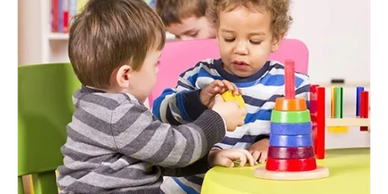
Sharing helps children learn to consider others’ needs and perspectives. Through structured activities and guided practice, children develop the ability to share materials, space, and attention. This skill promotes cooperation, reduces conflict, and supports more positive and inclusive play experiences.
Cooperative Play
Cooperative Play
Cooperative Play
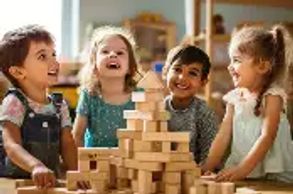
Cooperative play involves working together toward a shared goal, such as building, creating, or playing a game. Children learn to collaborate, communicate, problem-solve, and remain engaged with peers. This type of play is essential for developing deeper social connections and sustaining interactions over time.
Emotional Regulation/Coping Skills
Emotional Regulation/Coping Skills
Emotional Regulation/Coping Skills

Emotional regulation is the ability to understand, manage, and respond to feelings in a safe and appropriate way. Children are taught strategies to identify emotions, cope with frustration, handle disappointment, and navigate challenges like losing or being told “no.” Strengthening these skills helps children remain engaged in social situations and respond more flexibly, leading to more successful and positive interactions.g our planet for future generations. From clean energy initiatives to sustainable agriculture, we're working to create a healthier, more sustainable world.